
You found a lump. You went to your doctor. You had a mammogram. And you were told everything was fine — don’t worry, it’s benign, come back next year.
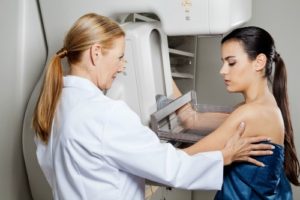
But it wasn’t fine. Months or even years later, you discover you have breast cancer. The cancer that could have been caught early is now advanced, requiring aggressive treatment you might have avoided with a timely diagnosis.
Was this a breast cancer misdiagnosis that qualifies as medical malpractice?If this happened to you in Florida, you may have a legal claim under Florida medical malpractice law. (Note: This guide is specific to Florida law — if you are located in another state, please consult an attorney licensed in your state).
This guide explains how breast cancer diagnostic errors happen, when they qualify as medical malpractice under Florida law, what you must prove to bring a cancer misdiagnosis lawsuit, and how to get legal help from an experienced Florida attorney.
The Critical Importance of Early Breast Cancer Detection
Early detection saves lives. It’s that simple.
Breast cancer survival rates by stage at diagnosis:
- Stage 0-1 (localized): 99% five-year survival rate
- Stage 2 (regional spread): 86% five-year survival rate
- Stage 3 (advanced regional): 72% five-year survival rate
- Stage 4 (metastatic): 28% five-year survival rate
Treatment differences by stage:
- Early stage: Often curable with a lumpectomy (breast-conserving surgery) alone or with limited radiation.
- Advanced stage: Requires mastectomy, chemotherapy, radiation, and possibly long-term hormone therapy or targeted treatments.
Every month of delay in diagnosis can mean the difference between a small, treatable tumor and metastatic cancer requiring years of grueling treatment — or worse, a terminal diagnosis. When breast cancer is missed because a doctor failed to meet the standard of care, victims deserve justice and compensation.
How a Delayed Breast Cancer Diagnosis Happens (Provider Errors)
Breast cancer diagnostic errors occur at multiple points in the screening and evaluation process. Here is how medical professionals often fail their patients:
1. Failure to Recognize or Act on Symptoms
Patient-reported symptoms should trigger immediate evaluation. These include:
- Palpable breast lump (a mass you or your doctor can feel)
- Changes in breast size, shape or appearance
- Nipple discharge (especially bloody)
- Nipple retraction or inversion
- Skin changes (dimpling, puckering, redness or thickening)
- Breast pain or tenderness (less common but possible)
- Lump or swelling in the underarm area
Malpractice occurs when a medical professional:
- Dismisses a palpable lump as “probably a cyst” without ordering imaging or a biopsy.
- Attributes breast changes to hormonal fluctuations without proper investigation.
- Tells younger women “you’re too young for breast cancer” and doesn’t pursue diagnostic testing.
- Fails to document the patient’s concerns in their medical records.
Example of Negligence: A 38-year-old woman reports a marble-sized lump in her right breast. Her doctor performs a brief physical exam and says, “It’s probably just a cyst. You’re young and don’t have a family history. Come back in six months if it’s still there.” No mammogram, ultrasound or biopsy is ordered. She returns 8 months later; the lump has grown. A biopsy reveals Stage 2 breast cancer.
This is likely malpractice. The standard of care requires imaging and/or a biopsy for any palpable breast mass, regardless of the patient’s age or family history.
2. Failure to Order Appropriate Screening or Diagnostic Tests
- Screening mammograms: Recommended annually for women 40+ (or earlier with risk factors). Failure to recommend age-appropriate screening can constitute negligence.
- Diagnostic mammograms and ultrasounds: Should be ordered for any palpable lump or breast changes and should be done promptly for any abnormal screening mammogram.
- Breast MRI: Recommended for high-risk patients (strong family history, BRCA gene mutation). Failure to order an MRI for high-risk patients can be malpractice.
- Biopsy (The Gold Standard): Should be performed for any suspicious mass on imaging, palpable lumps that persist or grow, bloody nipple discharge, or skin changes suspicious for inflammatory breast cancer.
3. Mammogram Errors (Radiologist Negligence)
Mammograms are not perfect — they miss about 10-20% of breast cancers, particularly in women with dense breast tissue. However, radiologist errors are a leading cause of missed breast cancer.
Common radiologist mistakes include:
- False Negative Reading: The radiologist reads the mammogram as “normal” when a mass or calcifications are clearly visible. (This is the most common type of mammogram error).
- Mischaracterization of Findings: The radiologist sees an abnormality but incorrectly describes it as “probably benign” (BI-RADS 3) when it should be categorized as “suspicious” (BI-RADS 4 or 5), delaying a biopsy.
- Technical Errors: Poor image quality due to improper positioning, or a failure to review comparison films (previous mammograms) to spot changes over time.
- Dense Breast Tissue Challenge: While dense tissue can hide tumors, radiologists know this limitation. They should recommend supplemental screening (ultrasound, MRI) for high-risk patients with dense breasts. Failing to do so can be malpractice.
Example of Radiologist Negligence: A woman has a screening mammogram. The radiologist’s report states: “No significant abnormalities. Recommend routine annual follow-up.” Fifteen months later, a new mammogram shows a 3.5 cm mass. When the prior mammogram is reviewed by another radiologist, they immediately identify a 1.2 cm mass in the same location that was “clearly visible” on the earlier image.
This is malpractice. The first radiologist missed an obvious tumor, allowing it to grow for over a year.
4. Pathology Errors (Biopsy Misinterpretation)
Once a biopsy is performed, a pathologist examines the tissue under a microscope. Pathology errors include:
- False Negative: The pathologist reads the biopsy as “benign” when cancer cells are actually present.
- Misclassification: Cancer is identified but incorrectly classified (e.g., called “ductal carcinoma in situ” when it is actually invasive cancer), affecting treatment decisions.
- Specimen Mix-Up: A patient’s biopsy sample is confused with another patient’s sample (rare, but catastrophic).
5. Failure to Follow Up on Abnormal Results
Sometimes the error is a systemic failure to diagnose due to communication breakdowns:
- Patient never informed: A radiologist identifies an abnormality, sends the report to the ordering physician, but the physician’s office fails to contact the patient. The patient assumes “no news is good news.”
- Follow-up not completed: A mammogram report recommends “short-interval follow-up in 6 months.” The patient is never contacted to schedule it, and the abnormality worsens undetected.
The ordering physician has a duty to ensure patients receive results, and medical facilities must have systems to track abnormal results.
6. Dismissal of High-Risk Factors
Doctors must recognize high-risk patients who need earlier, more frequent, or supplemental screening (like MRIs). High-risk factors include BRCA gene mutations, strong family history, personal history of high-risk breast lesions, or prior chest radiation therapy. Failing to take an adequate family history or refer a patient for genetic counseling can lead to a missed diagnosis.For specific examples, see our detailed breakdown of breast cancer misdiagnosis scenarios.
Common Types of Breast Cancer Misdiagnosis Scenarios
While the section above details how medical professionals make errors, the following scenarios represent what the patient experiences when a misdiagnosis occurs:
- The False Negative Mammogram: You are told your mammogram is clear, but cancer was actually present and visible on the images. You are falsely reassured while the cancer grows.
- The Dismissed Palpable Lump: You report a lump, but your doctor dismisses it as a cyst without ordering imaging or a biopsy, opting for “watchful waiting” instead.
- The “Lost” Abnormal Result: Your mammogram shows a suspicious finding, but due to a communication failure, you are never informed that you need a follow-up or biopsy.
- The Biopsy Read as Benign: A biopsy is performed, but the pathologist incorrectly interprets the tissue sample as benign.
The Devastating Impact of a Delayed Breast Cancer Diagnosis
The consequences of a breast cancer misdiagnosis are profound and often irreversible.
Stage Progression and Survival Impact
If diagnosed at Stage 1, a patient might undergo a lumpectomy and radiation with a 99% five-year survival rate, avoiding chemotherapy entirely. If that same patient is diagnosed at Stage 3 due to an 18-month delay, they may require a full mastectomy, 6-12 months of aggressive chemotherapy, radiation, and hormone therapy, and see their survival chance drop to 72%. A delay reduces survival chances and forces much more aggressive treatment.
Metastasis (The Ultimate Tragedy)
When breast cancer spreads (metastasizes) to the bones, liver, lungs, or brain, it becomes incurable (Stage 4). Treatment becomes palliative rather than curative. A disease that was potentially curable at Stage 1 becomes terminal because the window for a cure closed during the delay.
How to Prove a Breast Cancer Misdiagnosis Lawsuit in Florida
To win a breast cancer malpractice case in Florida, your legal team must prove three core elements:
1. The Standard of Care Was Breached
You must show the doctor, radiologist or pathologist failed to meet accepted medical standards. We prove this using expert testimony.
- For missed lumps: An oncology expert will testify that dismissing a palpable mass without imaging falls below the standard of care.
- For mammogram errors: A board-certified radiologist will review the images and testify that a competent radiologist would have identified the clearly visible mass.
2. Causation: The Delay Caused Harm
This is often the most contested element. The defense will argue the outcome would have been the same regardless of when the cancer was caught. You must prove that the delay allowed the cancer to progress to a later stage, resulting in a worse prognosis or the need for more aggressive treatment.
- Example of Causation: An oncology expert calculates tumor doubling time to prove that if the mammogram had been read correctly 14 months earlier, the patient would have been Stage 1 instead of Stage 3, thereby proving the delay drastically reduced her survival odds and necessitated chemotherapy.
3. Damages
You must prove actual, measurable harm. For breast cancer cases, damages typically include economic costs (more expensive treatments, lost wages, future care) and non-economic costs (physical pain, emotional trauma, disfigurement from mastectomy, and loss of enjoyment of life).
Compensation in Florida Breast Cancer Malpractice Cases
Breast cancer malpractice cases often result in substantial compensation due to the severe physical and emotional harm caused. Potential compensation can vary widely based on the unique facts of your case. While no attorney can guarantee a specific outcome, cases often involve recovering costs for:
Economic Damages:
- More aggressive medical expenses (Chemotherapy, mastectomy, reconstruction, radiation).
- Treatment of metastatic disease.
- Lost income and reduced future earning capacity.
- Future care needs and palliative care.
Non-Economic Damages:
- Physical pain and suffering from cancer progression and aggressive treatments.
- Emotional trauma, anxiety, and fear about reduced survival odds.
- Disfigurement from mastectomy.
- Loss of enjoyment of life.
(Note: Every case is unique, and settlement amounts depend heavily on the length of the delay, the stage progression, the patient’s age, and the clarity of the negligence. Read our complete guide to Medical Malpractice Compensation in Florida to learn more).
Common Defense Arguments (And How We Counter Them)
Defense attorneys use predictable strategies to minimize breast cancer malpractice cases. We know how to counter them:
- Defense Argument:“Mammograms aren’t perfect — they miss some cancers.”
- Our Counter: While true, an independent radiologist expert will review your specific images. If the mass was clearly visible and missed, the “limitation” excuse does not apply.
- Defense Argument:“The patient didn’t follow up on recommendations.”
- Our Counter: We review records to see if the office actually scheduled the follow-up, clearly communicated the urgency, or simply filed the report away. If the clinic’s system failed, the blame doesn’t fall on the patient.
- Defense Argument: “The cancer was aggressive — earlier diagnosis wouldn’t have mattered.”
- Our Counter: Survival statistics clearly show that stage at diagnosis matters for almost all subtypes. Our oncology experts will rebut this with solid biological data.
Frequently Asked Questions About Breast Cancer Misdiagnosis
Take Action: Get Legal Help from a Florida Breast Cancer Malpractice Lawyer
If you or a loved one suffered harm from a delayed or missed breast cancer diagnosis, you deserve answers and justice. Your fight against breast cancer was hard enough; don’t let medical negligence go unanswered.
Why choose Lisa S. Levine, P.A.for your breast cancer malpractice case:
- Over 35 Years of Medical Malpractice Experience handling numerous breast cancer misdiagnosis cases.
- National Expert Network providing access to leading oncologists, radiologists and pathologists.
- Resources to Fight with the financial capability to invest in necessary expert fees.
- No Upfront Fees because we work on a contingency basis; we only get paid if you win.
Don’t wait. Time is critical to preserve your legal rights.
Contact us today for a free, confidential case evaluation.