
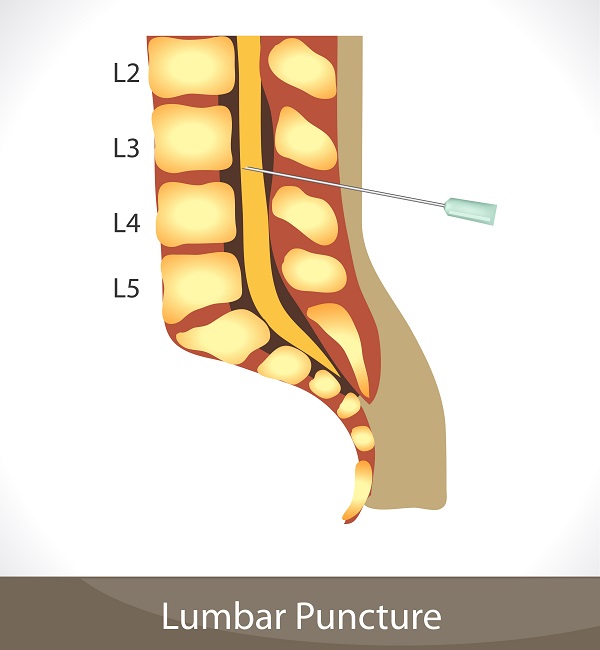
A lumbar puncture — commonly called a spinal tap — is one of the most frequently performed diagnostic procedures in medicine. Doctors use it to collect cerebrospinal fluid, measure spinal pressure, inject anesthetic or chemotherapy medications, or introduce contrast dye for imaging studies. It helps diagnose conditions ranging from meningitis and multiple sclerosis to certain cancers and bleeding around the brain.
For most patients, the procedure is uneventful. The most common side effect is a temporary headache. But in rare and devastating cases, a lumbar puncture can trigger a complication so serious it constitutes a life-altering medical emergency: Cauda Equina Syndrome (CES).
If you developed CES symptoms after a spinal tap — or if a loved one did — understanding what happened medically, and whether negligence played a role, is the first step toward protecting your health and your legal rights. This guide explains the connection between lumbar punctures and CES, the warning signs providers should never ignore, and when a failed or delayed response to those warning signs crosses the line into medical malpractice.
If you are already dealing with the aftermath of this devastating injury and need legal guidance, learn more on our main Florida Cauda Equina Syndrome Lawyer page.
How a Lumbar Puncture Can Cause Cauda Equina Syndrome
Cauda Equina Syndrome occurs when the bundle of nerves at the base of the spine — the cauda equina — becomes compressed, disrupting the nerve signals that control the lower limbs, bladder, bowel, and sexual function. After a lumbar puncture, this compression can develop through two main mechanisms:
Spinal Hematoma
When the needle used during a lumbar puncture damages a blood vessel, bleeding can occur in the epidural, subdural, or subarachnoid space surrounding the spinal cord. As blood pools and clots, it creates mounting pressure on the cauda equina nerves. Medical literature confirms that while spinal hematomas after lumbar punctures are rare, they can cause catastrophic and permanent harm — and critically, patients with entirely normal clotting function are not immune to this risk.
Cerebrospinal Fluid Leak
In some cases, cerebrospinal fluid leaks from the puncture site into the epidural space, creating a fluid collection that compresses the nerve roots. While less common than a hematoma, this complication is equally serious when it occurs and requires the same urgent response.
Both complications share one critical characteristic: they typically develop in the hours after the procedure — sometimes after a patient has already been discharged or moved out of close clinical monitoring. This is precisely where medical negligence most often enters the picture.
Warning Signs That Should Never Be Dismissed
Patients and healthcare providers must be alert to the following symptoms in the hours and days following a lumbar puncture:
- Severe or progressively worsening lower back pain
- Weakness, numbness, or tingling in one or both legs
- Saddle anesthesia — numbness in the inner thighs, buttocks or groin
- Difficulty urinating or sudden loss of bladder control
- Bowel incontinence or inability to have a bowel movement
- Sexual dysfunction
These are not routine post-procedure side effects. They are red flags for a developing spinal hematoma or CES and demand immediate emergency evaluation — never a “let’s monitor it at home” response.
The Critical 12-Hour Window: Research published in peer-reviewed medical literature establishes that patients who receive surgical intervention within 12 hours of CES symptom onset have significantly better neurological outcomes. Alarmingly, studies show that 50% of patients suffer permanent injury when the condition is not identified and treated within 12-24 hours. Every hour of delay matters enormously.
When Does This Become Medical Malpractice?
Not every case of CES following a lumbar puncture is the result of negligence. Complications can occur even when a procedure is performed perfectly. But several situations can and do give rise to a valid medical malpractice claim in Florida:
1. Failure to Monitor After the Procedure
Healthcare providers have a clear duty to monitor patients for signs of serious complications following a lumbar puncture. Discharging a patient without adequate post-procedure instructions about CES warning symptoms — or failing to observe them closely enough before discharge — can constitute negligence if CES develops undetected.
2. Failure to Recognize CES Symptoms
When a patient returns or calls with back pain, leg weakness, or new bladder changes after a spinal tap, a reasonably competent physician must immediately consider a spinal hematoma and order emergency MRI imaging. Attributing these symptoms to normal post-procedure soreness and sending the patient home is a fundamental failure of the standard of care.
3. Delayed Imaging and Treatment
If CES is clinically suspected, an MRI must be ordered on an emergency basis — not scheduled for the following week or even the following day. Any avoidable delay in obtaining imaging, or in proceeding to emergency surgery once CES is confirmed, can dramatically worsen permanent nerve damage and constitute actionable failure to diagnose malpractice.
4. Procedural Errors
In some cases, the technique used during the lumbar puncture itself may fall below the standard of care. For example, performing the procedure at a previously compromised level of the spine, failing to account for elevated bleeding risk factors, or performing multiple lumbar punctures without adequate clinical justification.
What Compensation Can You Recover?
If a healthcare provider’s negligence caused or worsened your CES following a lumbar puncture, Florida law entitles you to seek compensation for the full impact of your injuries — past, present and future.
Economic Damages:
- All past and future medical expenses including emergency surgery, hospitalization, rehabilitation and long-term care
- Lost wages from time missed at work during recovery
- Loss of future earning capacity if CES has permanently affected your ability to work
- Cost of home modifications, assistive devices, and ongoing personal care needs
Non-Economic Damages:
- Physical pain and suffering
- Loss of bladder, bowel, and sexual function
- Emotional distress and mental anguish
- Loss of enjoyment of life and the activities you could no longer do
- Loss of consortium for a spouse
Punitive Damages:
In cases involving extreme or reckless disregard for patient safety, Florida courts may award punitive damages on top of compensatory damages. These are rare but available in egregious cases.
(Learn more about valuing these claims in our guide: What Factors Affect Cauda Equina Syndrome Compensation Amounts?)
Florida Laws That Affect Your Case
- Statute of Limitations: Florida’s statute of limitations for medical malpractice is generally two years from the date of the malpractice, with some rare exceptions. Because CES cases are medically complex, it is critical to consult an attorney as soon as possible so that evidence can be preserved.
- Pre-Suit Requirements: Florida requires medical malpractice claimants to conduct a pre-suit investigation and serve a Notice of Intent to Initiate Litigation before filing a lawsuit. An experienced attorney handles this entire process on your behalf.
- Comparative Fault: Florida follows a modified comparative fault rule. If you are found partially responsible for your own harm — for example, if you blatantly ignored post-op instructions and failed to report red flag symptoms clearly — your compensation may be reduced.
Steps to Take If You Developed CES After a Lumbar Puncture
- Seek Emergency Medical Care Immediately: If you are still experiencing active symptoms, your health comes first. Get to an emergency room and specifically tell them you recently had a lumbar puncture and are experiencing new neurological symptoms.
- Request and Preserve All Medical Records: Obtain complete records from every provider involved — the ordering physician, the facility where the procedure was performed, and any emergency or follow-up care.
- Document Your Symptoms: Write down everything you remember about when symptoms started, what you reported to providers, and how they responded. The timeline is critical in these cases.
- Consult a CES Attorney Promptly: Do not wait. Florida’s strict deadlines mean that time is genuinely limited.
Common Questions About CES After Lumbar Puncture
Speak With a Florida CES Attorney Today
Lisa S. Levine, P.A. has handled and consulted on more than 60 Cauda Equina Syndrome cases across the United States, including cases arising from lumbar punctures and other medical procedures.
If you developed CES after a spinal tap and believe your diagnosis or treatment was delayed or mishandled, contact our office for a free, confidential case evaluation. We handle all CES cases on a contingency basis, which means you pay nothing unless we win.
Call us 24/7 at (954) 256-1820 or use the contact form on this page to get started.