
When a patient arrives at an emergency room or a physician’s office with severe lower back pain, leg symptoms, and new bladder changes, the correct diagnosis is not always immediately obvious. Cauda Equina Syndrome (CES) shares symptoms with a number of other conditions — some common, some serious — and it is precisely that overlap that leads to the misdiagnoses that devastate patients’ lives.
The difference between a CES diagnosis and a wrong one is not just a matter of clinical inconvenience. It is the difference between a patient who recovers meaningful function and one who lives with permanent bladder dysfunction, paralysis, and chronic pain for the rest of their life. Every hour that passes under the wrong diagnosis is an hour in which irreversible nerve damage may be occurring.
If you were sent home with a diagnosis of sciatica, a UTI, or another condition—and you later learned you had CES — you may be asking: How did this happen, and does it constitute malpractice? This page explains the most common CES misdiagnoses, why they occur, and what a competent physician should have done differently.
If you already know you are the victim of a delayed diagnosis and need legal help, learn more on our main Florida Cauda Equina Syndrome Lawyer page.
Why CES Is So Frequently Misdiagnosed
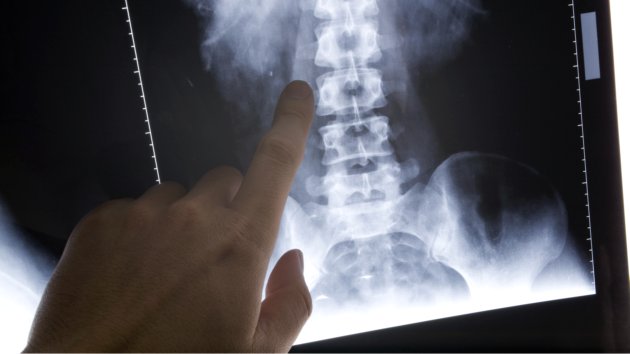
Before examining individual misdiagnoses, it is worth understanding the structural reasons why CES gets missed. Three factors account for most failure to diagnose cases:
Symptom Overlap With Common Conditions
Lower back pain is one of the most common complaints in any clinical setting, whereas Cauda Equina Syndrome is rare. Clinicians frequently mistake early nerve root compression for routine lumbar strain, a standard herniated disc, or uncomplicated sciatica, sending patients home with pain.
Leg pain, sciatica, and bladder symptoms are all individually common. While CES combines these symptoms, so do many less urgent conditions. A physician who sees back pain and leg symptoms dozens of times a week without ever seeing CES may default to the familiar diagnosis rather than considering the rare but catastrophic one.
The Misconception That All Red Flags Must Be Present
One of the most consequential clinical errors in CES cases is the assumption that a patient must have full incontinence or complete saddle anesthesia to warrant urgent investigation. This is wrong. CES patients — particularly those in the partial or incomplete stage — may present with subtle bladder changes, reduced sensation rather than complete numbness, or unilateral rather than bilateral symptoms. Waiting for the full clinical picture to develop before ordering an emergency MRI is itself a failure of the standard of care.
The Rarity of CES
CES accounts for only 2 to 6 percent of lumbar disc operations and occurs in an estimated 1 in 30,000 to 1 in 100,000 individuals. Many clinicians will see very few CES cases in their careers. That unfamiliarity reduces clinical vigilance — and when a condition is rare, pattern recognition fails.
The 8 Most Common Misdiagnoses of Cauda Equina Syndrome
When a doctor fails to recognize the “red flags” of CES, they typically assign one of the following incorrect diagnoses to the patient:
|
The Incorrect Diagnosis |
The “Red Flag” the Doctor Missed |
|---|---|
|
Sciatica |
Bladder/bowel issues or bilateral (both legs) numbness. |
|
UTI (Urinary Tract Infection) |
Severe back pain, saddle numbness, or leg weakness. |
|
Fibromyalgia |
New neurological deficits like true leg weakness. |
|
Peripheral Neuropathy |
“Saddle” area numbness (groin/inner thighs). |
|
Multiple Sclerosis (MS) |
Acute, sudden onset of back pain with bladder dysfunction. |
|
Hip Pathology |
Bladder/bowel issues or saddle anesthesia. |
|
Arachnoiditis |
Acute, sudden worsening of neurological symptoms. |
|
Psychological” / Anxiety |
Objective physical symptoms like inability to urinate. |
1. Sciatica or Lumbar Radiculopathy
- The Overlap: Both conditions cause severe lower back pain that radiates into the legs, along with numbness and tingling.
- The Critical Difference: Sciatica typically affects one leg. CES involves multiple nerve roots, producing bilateral (both legs) symptoms and — crucially — bladder, bowel, or sexual dysfunction.
- The Malpractice: A physician who diagnoses sciatica without specifically asking the patient about their bladder function or saddle sensation has not completed an adequate assessment.
Learn more about distinguishing these conditions in our guide: Sciatica vs. Cauda Equina Syndrome: Recognizing the Red Flags.
2. Urinary Tract Infection (UTI)
- The Overlap: Patients with partial CES often present with difficulty urinating, urinary retention, or urinary frequency.
- The Critical Difference: A UTI does not cause severe back pain, leg weakness, or saddle anesthesia (numbness in the groin).
- The Malpractice: In emergency settings, doctors often rush to diagnose a UTI based on bladder complaints. Prescribing antibiotics and sending the patient home without investigating the spinal component of their symptoms is a recognized basis for a CES malpractice claim.
3. Fibromyalgia
- The Overlap: Fibromyalgia produces widespread musculoskeletal pain and profound fatigue that can superficially resemble the chronic pain of a spinal condition.
- The Critical Difference: Fibromyalgia does not produce neurological deficits. It does not cause saddle anesthesia, true leg weakness, or neurogenic bladder dysfunction.
- The Malpractice: A physician who attributes new neurological symptoms (like sudden difficulty urinating) to a pre-existing fibromyalgia diagnosis without ordering an emergency MRI has made a potentially catastrophic error.
4. Peripheral Neuropathy
- The Overlap: Peripheral neuropathy (nerve damage often linked to diabetes or alcohol use) causes numbness and tingling in the legs, similar to CES.
- The Critical Difference: Neuropathy typically creates a symmetric “stocking-glove” pattern of numbness starting in the feet. CES produces specific numbness in the “saddle area” (groin and inner thighs) and is accompanied by bladder/bowel dysfunction.
- The Malpractice: Failing to perform a targeted neurological exam that checks for saddle anesthesia and rectal tone allows this critical distinction to be missed.
5. Multiple Sclerosis (MS)
- The Overlap: MS can affect the spinal cord, leading to lower limb weakness and bladder dysfunction, which closely mimics CES.
- The Critical Difference: MS is typically a relapsing-remitting disease diagnosed over time in younger patients. CES is an acute emergency triggered by a specific spinal compression event.
- The Malpractice: In any patient presenting acutely (suddenly) with back pain, leg symptoms, and bladder dysfunction, CES must be ruled out with an emergency MRI before a doctor can safely attribute those symptoms to MS.
6. Hip Pathology (Osteoarthritis or Labral Tears)
- The Overlap: Severe hip conditions can cause debilitating groin pain, leg pain, and significant changes to how a patient walks (gait).
- The Critical Difference: Hip pathology does not cause bladder or bowel dysfunction, nor does it cause numbness in the saddle area.
- The Malpractice: A physician who attributes a patient’s symptoms entirely to a hip problem without assessing their neurological function in the lower extremities or asking about their bladder control has performed an inadequate examination.
7. Arachnoiditis
- The Overlap: Arachnoiditis is an inflammation of the spinal membrane that produces chronic back pain, leg pain, numbness, and bladder dysfunction that virtually mirrors CES. The two conditions can even coexist.
- The Critical Difference: While arachnoiditis is a chronic condition, CES represents an acute compression requiring immediate surgery.
- The Malpractice: A known arachnoiditis diagnosis is not an excuse for ignoring acute neurological deterioration. If an arachnoiditis patient develops new or suddenly worsening symptoms, they must still be investigated urgently for CES.
8. Psychological or Functional Causes (Anxiety/Somatization)
- The Overlap: Severe pain and anxiety often go hand-in-hand, and patients with vague or complex symptoms may appear highly distressed.
- The Critical Difference: CES produces objective, verifiable physical symptoms — such as urinary retention or the loss of anal sphincter tone — that cannot be “faked” or attributed to anxiety.
- The Malpractice: Telling a patient that their inability to urinate or saddle numbness is “psychological in origin” is one of the most damaging misdiagnoses possible. It delays life-saving investigations for weeks or months. Any patient reporting back pain combined with bladder/saddle changes deserves objective investigation (an MRI) before a psychological explanation is ever considered.
What Should Have Happened Instead: The Standard of Care
Regardless of which condition a physician initially suspects, the medical standard of care requires an urgent MRI to rule out CES before any other diagnosis is confirmed if a patient presents with back or leg pain and any of the following:
- New or changed bladder symptoms (difficulty urinating, urinary retention, reduced sensation, or incontinence)
- Saddle anesthesia (altered sensation in the perineum, inner thighs, or genitals)
- Bilateral leg symptoms (weakness, numbness, or pain in both legs simultaneously)
- Bowel dysfunction (incontinence, constipation, or loss of rectal sensation)
- Sexual dysfunction of new onset
The key clinical principle is this: CES must be ruled out before it can be ruled out. A physician cannot safely attribute any of the above symptoms to sciatica, UTI, fibromyalgia, or any other condition without emergency MRI confirming the absence of cauda equina compression.
Common Questions About CES Misdiagnosis and Malpractice
Speak With a Florida CES Misdiagnosis Attorney Today
If you were misdiagnosed with sciatica, a UTI, fibromyalgia, or another condition while CES was the true cause of your symptoms — and that missed diagnosis allowed your condition to progress to permanent injury — you deserve to understand your legal options.
Lisa Levine is one of the few attorneys in the country with deep, specialized experience in CES misdiagnosis litigation. She has seen firsthand what a missed diagnosis costs a patient and their family, and she fights to recover compensation for the full scope of that loss.
Contact Levine & Levine Attorneys, P.A. for a free, confidential case evaluation. We handle all CES cases on a contingency basis; you pay nothing unless we win.
Call us 24/7 at (954) 256-1820 or use the contact form on this page to get started.