
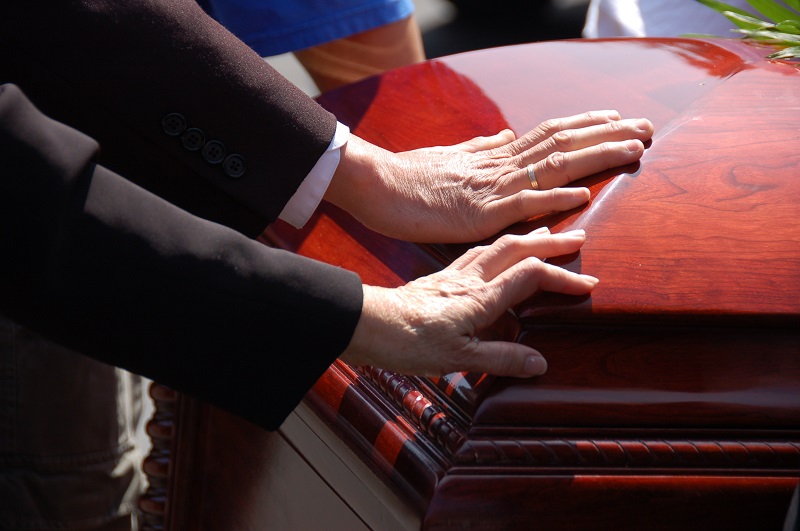
After the sudden and heartbreaking loss of a loved one due to a potential accident or medical error, families face overwhelming grief and countless difficult decisions. One question that often comes up is whether to request an autopsy — and whether you need one to pursue a wrongful death lawsuit.
While thinking about an autopsy during such a painful time can feel impossible, the results can become one of the most powerful pieces of evidence if you decide to file a wrongful death claim.
Here’s the short answer: An autopsy is not a strict legal requirement to file a wrongful death case in Florida, but it can be the critical factor that determines whether your case succeeds or fails.
Florida’s medical examiner system and wrongful death laws have specific procedures that families need to understand. Knowing your rights under Florida law can help you preserve critical evidence and protect your family’s legal claim.If you have lost a family member and suspect negligence was involved, it’s vital to understand your legal options. Our firm provides compassionate guidance for families navigating these difficult cases. Learn more on our main Florida Wrongful Death Lawyer page.
What Is an Autopsy and What Can It Prove?
An autopsy, also called a post-mortem examination, is a specialized medical procedure performed by a specially trained doctor called a pathologist. The pathologist carefully examines the body to determine exactly how and why the person died.
Think of it as a medical investigation. Just like detectives gather evidence at a crime scene, a pathologist gathers medical evidence to answer critical questions:
For a Wrongful Death Case, an Autopsy Provides Powerful Evidence
An autopsy report is objective, scientific evidence that can:
1. Establish the Precise Cause of Death
It can definitively confirm whether death was caused by:
2. Create a Clear Link Between Negligence and Death
The autopsy can show an undeniable connection between a specific negligent act and the death. For example:
3. Rule Out Other Possible Causes
One of the defense’s favorite tactics is to claim the death was caused by the person’s pre-existing health conditions, not their negligence. An autopsy can prove this wrong.
For example, if a hospital claims “the patient died from their diabetes,” but the autopsy shows they actually died from uncontrolled bleeding after surgery, that destroys the hospital’s defense.
4. Give Your Medical Experts the Facts They Need
Your attorney will hire medical experts to review the case and explain to a jury how negligence caused the death. These experts need solid facts to base their opinions on, and an autopsy report provides those facts.
Without an autopsy, experts are left making educated guesses based on incomplete information. With an autopsy, they have scientific proof.
When Is an Autopsy Performed in Florida?
In Florida, autopsies happen in two different ways, depending on the circumstances of the death:
1. Medical Examiner’s Autopsy (Performed Automatically by the Government)
Florida law requires the Medical Examiner’s office, a government agency, to investigate and perform an autopsy in specific situations.
The Medical Examiner MUST investigate deaths that occur:
What This Means for Your Case:
If your loved one died in a car accident, a workplace accident, a fall at a nursing home, or suddenly and unexpectedly, the Medical Examiner will likely perform an autopsy automatically. You don’t need to request it or pay for it; it’s done as part of the official investigation.
Florida Statutes Section 406.11 lists all circumstances requiring Medical Examiner investigation. Each of Florida’s 67 counties is served by one of 24 Medical Examiner districts, with the main offices typically located in larger cities like Miami, Tampa, Jacksonville and Orlando.
The Medical Examiner will release a report with their findings, which your attorney can obtain and use as evidence in your wrongful death case.
2. Private Autopsy (Requested and Paid for by the Family)
If the Medical Examiner declines to perform an autopsy, which often happens when a death occurs in a hospital and is initially attributed to “natural causes” or “complications from illness,” the family has the legal right to hire a private pathologist to conduct one.
When You Might Need a Private Autopsy:
Important Timing Information:
The decision to request a private autopsy must be made very quickly, typically within 24 to 48 hours of death, and ideally before the body is embalmed or cremated. Once embalming occurs, many critical findings can be lost. After cremation, an autopsy becomes impossible.
The Cost:
A private autopsy typically costs between $3,000 and $5,000 in Florida, depending on the complexity. While this is a significant expense during an already difficult time, it can be an invaluable investment if you have strong reasons to suspect negligence.
Think of it this way: Without an autopsy, your wrongful death case might be worth nothing because you can’t prove what happened. With an autopsy that confirms negligence, your case could be worth hundreds of thousands or millions of dollars. The autopsy cost is often recovered as part of your final settlement or verdict.
How to Arrange a Private Autopsy:
If you’re considering a private autopsy, contact an experienced wrongful death attorney immediately. We can:
Understanding Florida’s Medical Examiner System
Florida has a unique medical examiner system that families should understand:
How Florida’s Medical Examiners Are Organized
Unlike some states that use elected coroners (who may not be doctors), Florida requires medical examiners to be licensed physicians, preferably with specialized training in forensic pathology.Florida is divided into 24 Medical Examiner districts. Some counties have their own district (like Miami-Dade), while smaller counties share districts. Major Medical Examiner offices are located in:
(And others — there are 24 total districts)
Getting the Medical Examiner’s Report
Medical Examiner reports are generally public records in Florida under the Sunshine Law, but there are important exceptions:
Your wrongful death attorney will obtain the complete Medical Examiner file, including toxicology reports, photographs (if needed for the case), and all investigative notes.
What If You Disagree with the Medical Examiner’s Findings?
Sometimes the Medical Examiner’s report lists a cause of death that doesn’t match what the family suspects happened. For example, the ME might list “natural causes – cardiac arrest” when the family believes a medication error caused the cardiac arrest.
You have options:
The Medical Examiner’s opinion, while important, is not the final word. Your medical experts can testify that they disagree with the ME’s conclusions based on the evidence.
Why an Autopsy Is Especially Critical in Medical Malpractice Cases
In a car accident wrongful death case, the cause of death is usually obvious; the victim died from injuries sustained in the crash. There may still be disputes about who caused the accident, but there’s rarely debate about what killed the person.
Medical malpractice wrongful death cases are completely different.
When someone dies in a hospital or under a doctor’s care, there are always multiple possible explanations:
The hospital and doctors will almost always claim the death was an “unavoidable complication” or resulted from the patient’s pre-existing health problems. Without an autopsy, it can be nearly impossible to prove otherwise.
What an Autopsy Can Prove in Medical Malpractice Cases
Surgical Errors:
Anesthesia Errors:
Medication Errors:
Failure to Diagnose:
Failure to Monitor:
Nursing Home Neglect:
Real Example: How an Autopsy Changes Everything
Without Autopsy: Hospital records say: “Patient died from complications of pneumonia and underlying COPD (lung disease). Death was expected given the severity of illness.”
The family suspects the patient was given the wrong medication, but they can’t prove it. The hospital’s story sounds plausible. The case has little value.
With Autopsy: The autopsy shows: Toxic levels of morphine in the blood, which is 3 times the prescribed dose. The patient’s lungs show pneumonia, but the direct cause of death was respiratory failure from morphine overdose.
Now the case is clear: A nurse gave the wrong dose, which stopped the patient’s breathing and killed them. The pneumonia was real, but the patient would have survived with proper medication administration. The case now has substantial value.
That’s the power of an autopsy.
Common Questions About Autopsies and Wrongful Death Cases
What If No Autopsy Was Performed?
If an autopsy was not performed and it’s now too late to have one done (because the body has been buried, cremated, or too much time has passed), it doesn’t necessarily mean you cannot file a wrongful death claim.
However, it can make the case significantly more challenging.
How Your Attorney Can Build a Case Without an Autopsy
An experienced wrongful death attorney like Lisa Levine can still pursue your case by:
1. Thoroughly Reviewing All Available Medical Records
We obtain every page of medical records from:
In fatal cases, an autopsy is often the most powerful evidence.
Often, the medical records themselves contain strong evidence of negligence, such as:
2. Working with Medical Experts to Analyze the Records
We hire highly qualified medical experts in the relevant specialty (surgery, cardiology, emergency medicine, etc.) who:
These experts can often determine cause of death from the medical records alone, especially if the records contain diagnostic tests (like CT scans showing internal bleeding) or lab work (showing infection or organ failure).
3. Using Circumstantial Evidence
Sometimes the circumstances themselves tell the story:
While not as powerful as an autopsy, this circumstantial evidence, combined with expert testimony, can still prove negligence.
4. Obtaining Medical Examiner or Death Certificate Information
Even if a full autopsy wasn’t performed, the death certificate and any Medical Examiner investigation notes can provide valuable information about the suspected cause of death.
The Bottom Line Without an Autopsy
Cases without autopsies are harder to win and may settle for less money because there’s room for the defense to argue about cause of death. However, many successful wrongful death cases have been pursued without autopsies, especially when:
The most important step is to have the case evaluated by a skilled legal team as soon as possible. Don’t assume you don’t have a case just because there was no autopsy.
Florida Wrongful Death Laws You Should Know
Understanding a few key Florida laws can help you protect your rights:
Who Can File a Wrongful Death Lawsuit in Florida?
Under Florida Statutes Section 768.20, only the personal representative of the deceased person’s estate can file a wrongful death lawsuit. The personal representative is appointed through probate court and acts on behalf of the surviving family members.
Who can receive compensation?
Time Limits: Florida’s Wrongful Death Statute of Limitations
In Florida, you generally have two years from the date of death to file a wrongful death lawsuit.
Important exceptions:
DO NOT wait. Evidence disappears, witnesses’ memories fade, and medical records can be lost. The sooner you consult an attorney, the better.
What Damages Can You Recover?
Florida’s wrongful death law allows recovery for:
Economic Damages:
Non-Economic Damages:
The Florida Constitution prohibits caps on wrongful death damages in most cases (unlike some other states that limit what families can recover).
Why You Need an Experienced Wrongful Death Attorney
Wrongful death cases, especially those involving medical malpractice, are among the most complex areas of law. Hospitals and doctors have teams of lawyers and insurance companies working to minimize what they pay.
An experienced attorney like Lisa Levine is essential because we:
Act Quickly to Preserve Evidence
We immediately:
Navigate Florida’s Complex Legal Requirements
Build a Strong Case with Top Experts
We work with:
Fight for Full Compensation
Insurance companies often make low initial offers hoping families will settle quickly out of grief and financial pressure. We:
Provide Compassionate Support
We understand you’re grieving. We handle the legal complexities so you can focus on your family. We communicate clearly, answer all your questions, and treat you with the respect and compassion you deserve.
Get Compassionate Legal Guidance After a Tragic Loss
If you have lost a loved one and suspect that negligence played a role, whether medical malpractice, a car accident, nursing home abuse, or any other preventable cause, you deserve answers and justice.
Time is critical. Evidence must be preserved, deadlines must be met, and decisions about autopsies often must be made within hours or days.
Contact Lisa S. Levine, P.A. today for a free, confidential consultation. We will:
You pay nothing upfront, and we only get paid if we win your case.
Call Toll-Free: (855) 551-8060
Or learn more on our main Florida Wrongful Death Lawyer page.
Your family has already suffered an unimaginable loss. Let us fight to hold those responsible accountable and secure the financial resources your family needs to move forward.